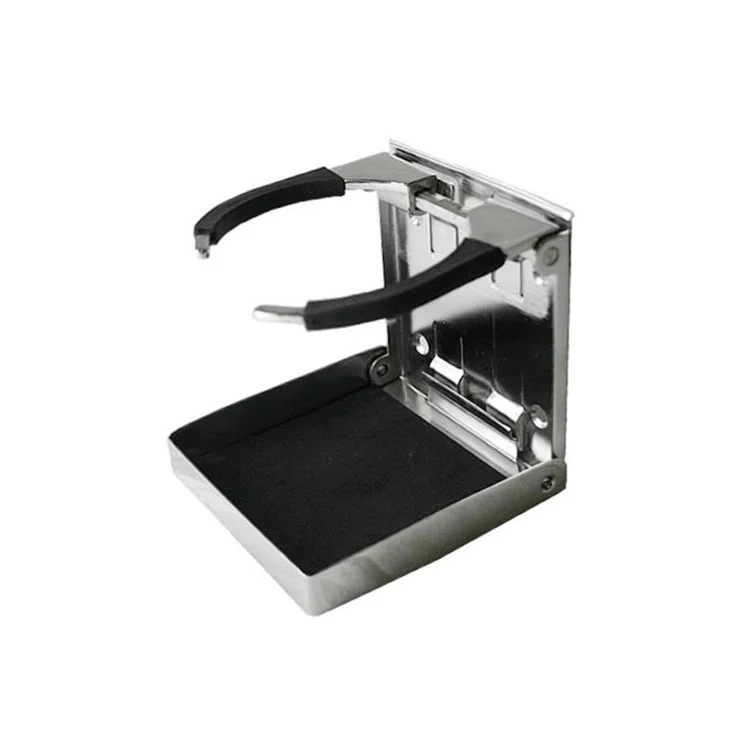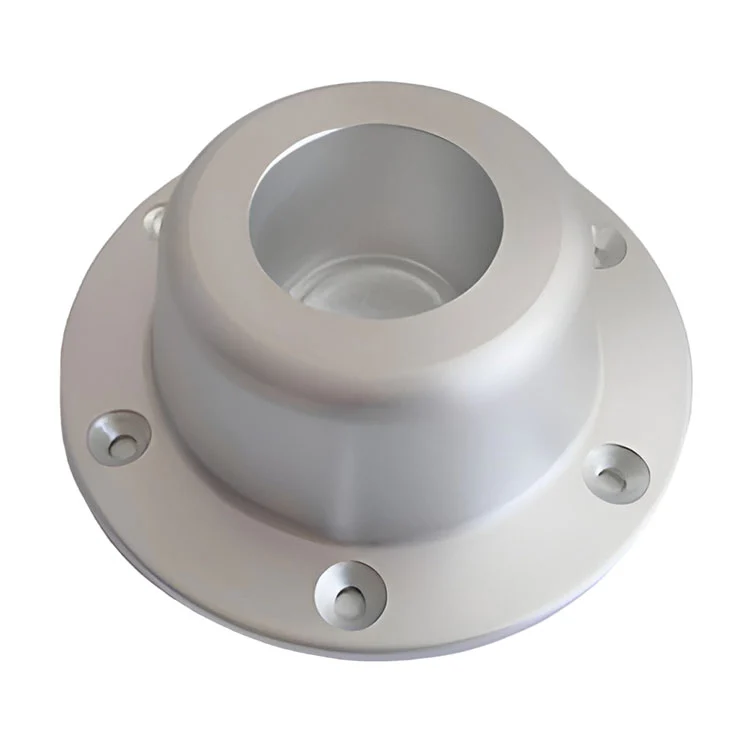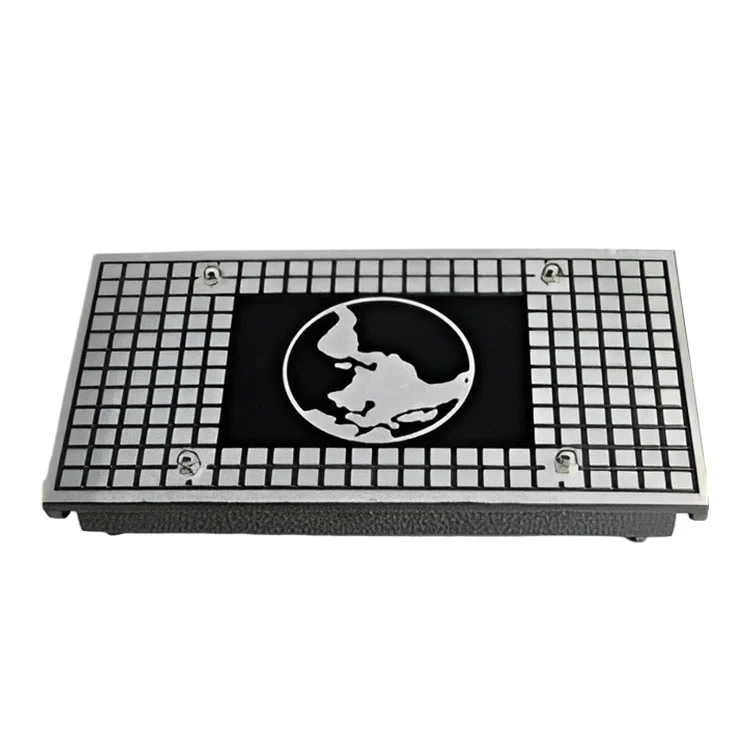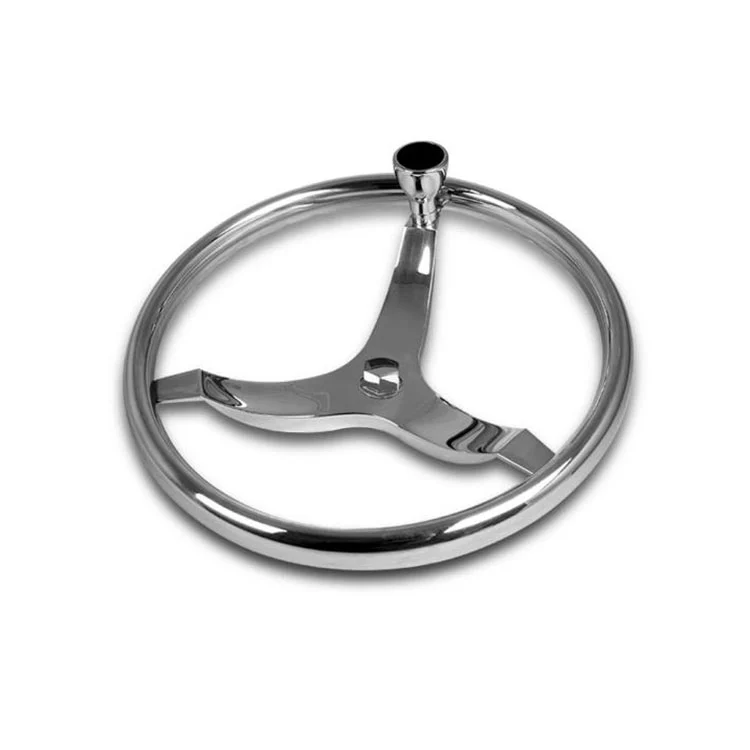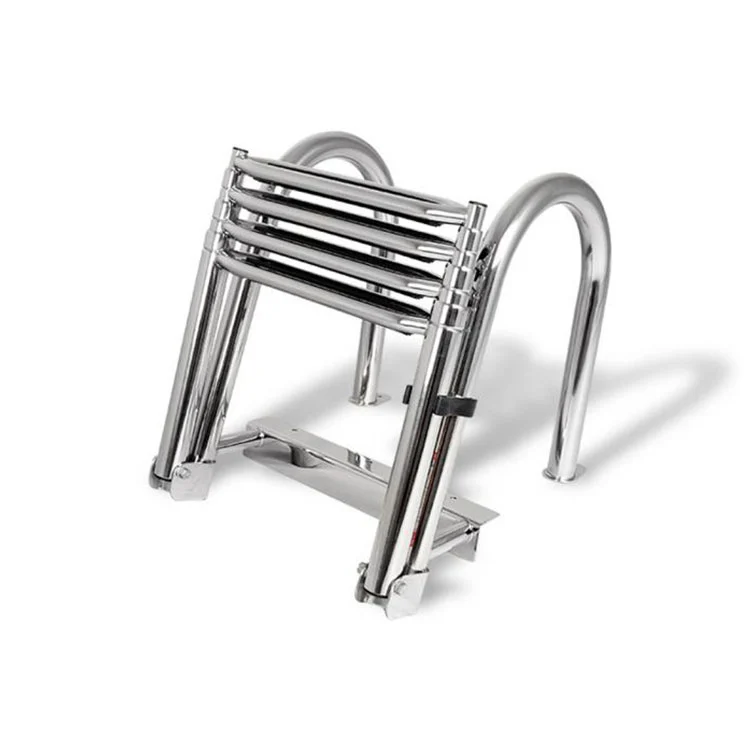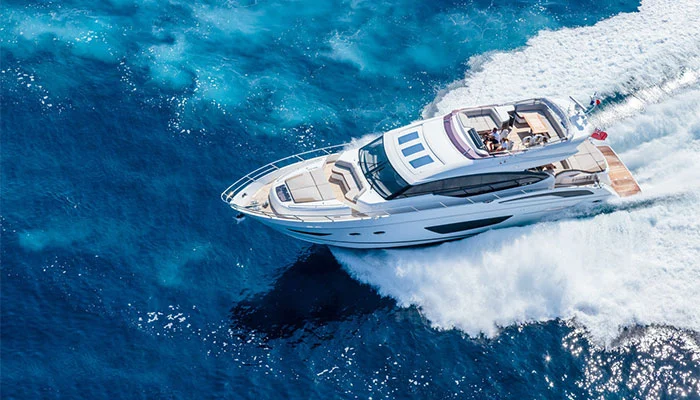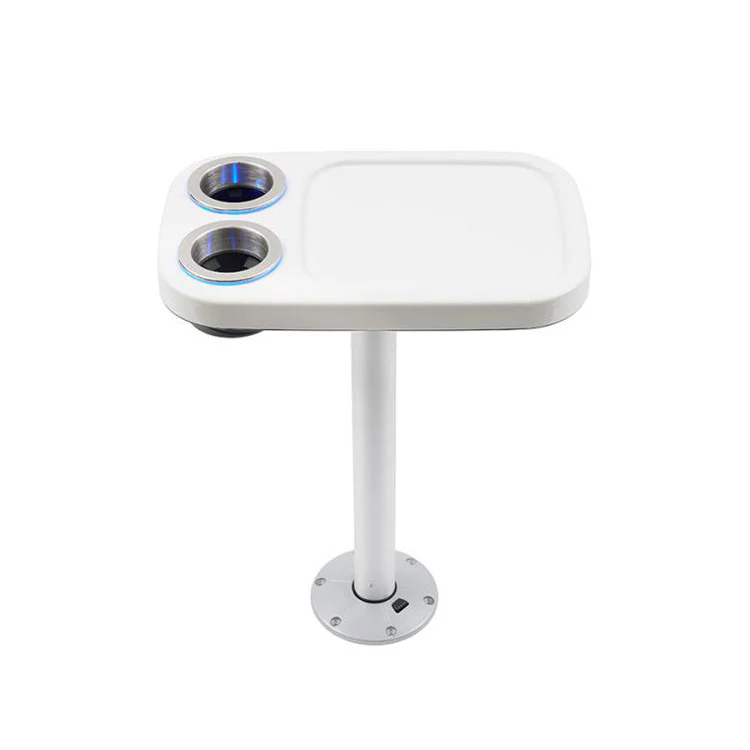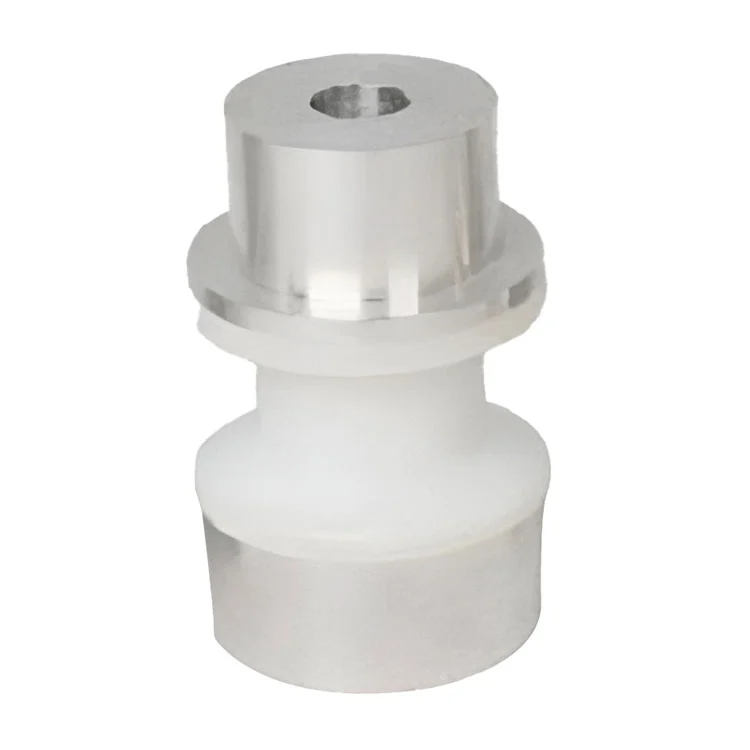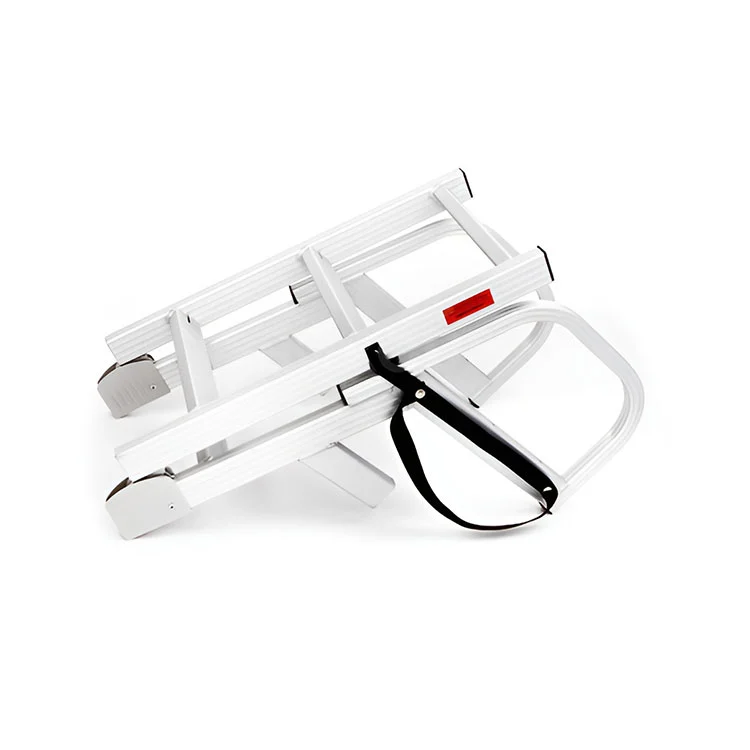

What Makes Marine Hardware Essential for Your Vessel?
Marine hardware plays a critical role in ensuring the safety, durability, and performance of vessels. From deck fittings to anchoring systems, high-quality marine hardware not only enhances operational efficiency but also protects both crew and vessel from unpredictable marine conditions. This article explores the various types, materials, selection criteria, and maintenance strategies for marine hardware, providing valuable guidance for boat owners, fleet managers, and maritime enthusiasts.
Table of Contents
- Why is Marine Hardware Important?
- What Are the Main Types of Marine Hardware?
- Which Materials Ensure Longevity in Marine Hardware?
- How to Select the Right Marine Hardware for Your Vessel?
- What Are the Best Practices for Installation?
- How to Maintain and Inspect Marine Hardware?
- What Are the Common Issues and How to Avoid Them?
- Why Choose Wenling Boerde Machinery Co., Ltd. for Marine Hardware?
- FAQ About Marine Hardware
Why is Marine Hardware Important?
Marine hardware forms the backbone of any boat or ship, providing secure attachment points, facilitating operational control, and ensuring safety. From small recreational boats to commercial vessels, marine hardware ensures:
- Structural Integrity: High-quality hardware prevents wear and damage to the vessel.
- Safety: Strong and reliable fittings reduce accidents caused by equipment failure.
- Operational Efficiency: Smooth performance of anchoring, mooring, and sailing equipment.
- Longevity: Corrosion-resistant and durable hardware extends the life of vessels.
Neglecting marine hardware or using substandard components can lead to costly repairs, operational downtime, and even life-threatening incidents at sea.
What Are the Main Types of Marine Hardware?
Marine hardware can be broadly categorized into several essential groups. Each category serves a unique function onboard.
1. Deck Hardware
- Cleats
- Chocks
- Fairleads
- Stanchions and Rails
2. Anchoring and Mooring Hardware
- Anchors and Anchor Chains
- Windlasses
- Dock Lines and Bollards
3. Sailing and Rigging Hardware
- Blocks and Pulleys
- Turnbuckles and Rigging Screws
- Shackles and Fittings
4. Engine and Mechanical Hardware
- Mounts and Brackets
- Propeller Shafts
- Steering Mechanisms
Which Materials Ensure Longevity in Marine Hardware?
The marine environment is extremely harsh, with saltwater, UV exposure, and mechanical stress all contributing to hardware degradation. Common materials include:
| Material | Advantages | Disadvantages |
|---|---|---|
| Stainless Steel (304/316) | Highly corrosion-resistant, durable, strong | Higher cost, requires proper maintenance to avoid pitting |
| Bronze | Excellent resistance to corrosion and biofouling | Heavier, more expensive than aluminum |
| Aluminum | Lightweight, corrosion-resistant, easy to shape | Less strong than steel, may require anodizing |
| Plastic/Polymer | Cost-effective, lightweight, corrosion-proof | Limited strength, may degrade under UV exposure |
Choosing the right material depends on the vessel type, operating environment, and specific hardware application.
How to Select the Right Marine Hardware for Your Vessel?
Selection of marine hardware should consider the following key factors:
- Load Capacity: Always check the maximum weight or stress the hardware can handle.
- Corrosion Resistance: Prefer marine-grade materials like 316 stainless steel or bronze.
- Compatibility: Ensure fittings match the type and size of ropes, chains, and deck layouts.
- Certifications: Look for ISO, ABYC, or other marine safety standards.
- Brand Reputation: Choose reliable manufacturers such as Wenling Boerde Machinery Co., Ltd. for proven quality.
What Are the Best Practices for Installation?
Proper installation maximizes performance and safety. Key steps include:
- Clean and prepare mounting surfaces thoroughly.
- Use appropriate fasteners, washers, and sealants to prevent loosening and corrosion.
- Follow manufacturer torque specifications and alignment guidelines.
- Double-check critical fittings, especially for anchoring and rigging systems.
- Consider professional installation for complex or load-bearing hardware.
How to Maintain and Inspect Marine Hardware?
Routine maintenance ensures longevity and operational safety. Recommended practices:
- Rinse all hardware with fresh water after exposure to saltwater.
- Inspect for corrosion, cracks, or loose fittings at least once per season.
- Lubricate moving parts with marine-grade lubricants.
- Replace damaged or worn hardware immediately to prevent accidents.
- Keep a log of inspections and replacements to track vessel maintenance.
What Are the Common Issues and How to Avoid Them?
Marine hardware may face several challenges, including:
| Issue | Cause | Prevention |
|---|---|---|
| Corrosion | Saltwater, humidity, galvanic reactions | Use marine-grade materials, rinse with fresh water |
| Loose fittings | Vibration, improper installation | Proper torque, use lock nuts or sealants |
| Wear and fatigue | Overloading or misalignment | Check load ratings, regular inspections |
| UV degradation | Plastic and polymer exposure | Use UV-resistant coatings, cover when not in use |
Why Choose Wenling Boerde Machinery Co., Ltd. for Marine Hardware?
Wenling Boerde Machinery Co., Ltd. has built a strong reputation in the marine industry by providing high-quality hardware solutions that meet stringent maritime standards. Their advantages include:
- Wide range of marine hardware products covering deck fittings, rigging, anchoring systems, and engine mounts.
- Use of corrosion-resistant materials such as 316 stainless steel and bronze for durability.
- Precision manufacturing that ensures safety, reliability, and long-term performance.
- Dedicated customer support and technical consultation for both commercial and recreational vessels.
- Competitive pricing without compromising quality, making them an ideal choice for fleet operators and individual boat owners.
Many marine operators worldwide trust Wenling Boerde Machinery Co., Ltd. to provide equipment that withstands harsh marine environments while delivering exceptional performance.
FAQ About Marine Hardware
Q1: How often should marine hardware be inspected?
A1: At minimum, inspect all critical hardware once per season and after any severe weather events. High-use components may require more frequent checks.
Q2: Can I use stainless steel hardware in saltwater?
A2: Yes, 316 marine-grade stainless steel is highly resistant to corrosion, making it suitable for saltwater applications.
Q3: How do I prevent galvanic corrosion?
A3: Use compatible metals, apply anti-corrosion coatings, and ensure proper insulation between dissimilar metals.
Q4: Are polymer-based fittings reliable?
A4: They are suitable for light-duty and non-load-bearing applications. For critical fittings, metals are recommended.
Q5: Why is professional installation recommended?
A5: Professional installation ensures correct alignment, torque, and secure attachment, which prevents failures and prolongs hardware life.
Ready to upgrade your vessel with top-quality marine hardware? Trust Wenling Boerde Machinery Co., Ltd. to provide reliable, durable, and high-performance solutions. Contact us today and enhance your marine experience!
Related News
- How Does a Cocktail Table Top Define the Aesthetics and Functionality of Modern Social Spaces?
- How Does a Fish Rod Holder Enhance Your Fishing Experience?
- How Can a Foldable Table Transform Modern Living Spaces?
- How Does an Underwater Ladder Improve Safety and Accessibility?
- How RV Phone Charging Becomes Reliable on the Road
- Why Are RV Assist Handles the Unsung Heroes of Safe Camping?
Leave me a message