
Why Are Marine Assist Handles Essential for Modern Boats?
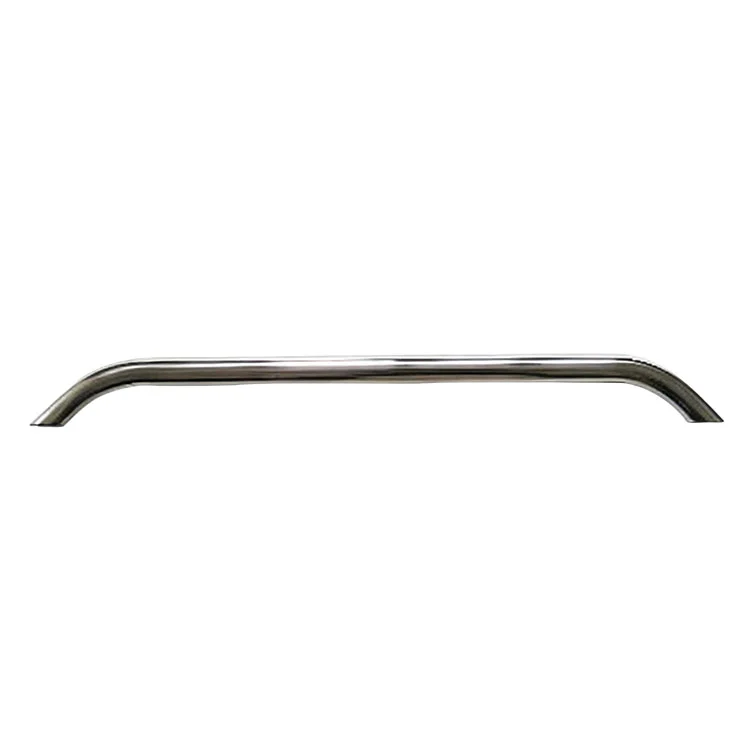
Marine safety and onboard mobility have become critical concerns for boat owners, shipbuilders, and marine equipment buyers worldwide. Whether on commercial vessels, fishing boats, yachts, or offshore platforms, passengers and crew need reliable points of support to move safely in wet, unstable environments. This is where Marine Assist Handles play a vital role.
Designed specifically for harsh marine conditions, Marine Assist Handles provide stability, confidence, and physical support during boarding, disembarking, and movement on deck. However, many buyers struggle with questions around materials, load capacity, installation, corrosion resistance, and long-term reliability. This article delivers a complete, practical guide to Marine Assist Handles—helping decision-makers select the right solution while avoiding common pitfalls.
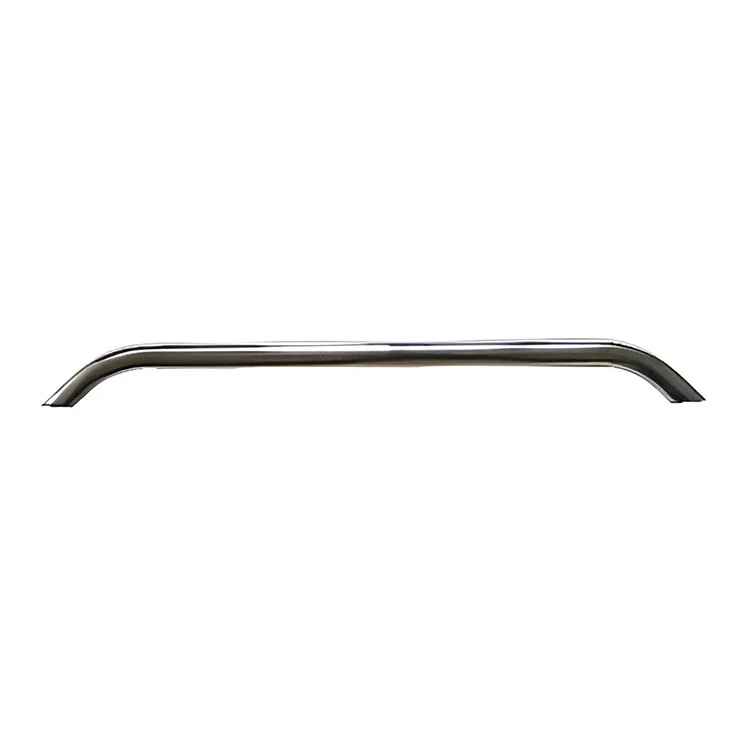
Table of Contents
- Understanding Marine Assist Handles
- Key Pain Points in Marine Safety and Mobility
- How Marine Assist Handles Solve These Problems
- Materials Used in Marine Assist Handles
- Design Features That Matter Most
- Installation Areas and Use Scenarios
- Performance Comparison Table
- Applications Across Marine Industries
- Why Manufacturing Quality Matters
- Frequently Asked Questions
- Conclusion and Next Steps
Understanding Marine Assist Handles
Marine Assist Handles are fixed or semi-fixed handholds installed on boats and marine structures to assist users with balance and movement. Unlike standard grab bars used in residential environments, marine-grade handles are engineered to withstand constant exposure to moisture, saltwater, UV radiation, and mechanical stress.
Their primary function is to reduce the risk of slips, falls, and injuries by offering a secure grip point. In rough sea conditions or during boarding, these handles become essential safety components rather than optional accessories.
Manufacturers like Wenling Boerde Machinery Co., Ltd. focus on producing Marine Assist Handles that meet both functional and durability expectations, ensuring reliable performance even in demanding marine environments.
Key Pain Points in Marine Safety and Mobility
Despite advances in vessel design, many boats still face safety and usability challenges related to onboard movement. These pain points directly affect user confidence and operational efficiency.
- Slippery surfaces caused by water, oil, or algae
- Unstable movement during waves or sudden turns
- Inadequate handholds in high-traffic areas
- Corrosion-related failures of low-quality handles
- Discomfort or poor grip for elderly or inexperienced users
Ignoring these issues can result in injuries, liability risks, and higher maintenance costs. Marine Assist Handles address these challenges through thoughtful engineering and material selection.
How Marine Assist Handles Solve These Problems
A properly designed Marine Assist Handle offers immediate and long-term benefits. It enhances safety while also improving the overall onboard experience.
- Provides a stable grip point in wet or moving conditions
- Reduces strain on joints during boarding or climbing
- Enhances confidence for passengers of all ages
- Minimizes accident risks in compliance-sensitive environments
By integrating Marine Assist Handles into strategic locations, vessel owners can significantly reduce safety incidents while increasing comfort and usability.
Materials Used in Marine Assist Handles
Material selection directly impacts the lifespan and reliability of Marine Assist Handles. Marine environments demand corrosion-resistant and structurally sound materials.
- Stainless Steel (304 / 316): Excellent corrosion resistance, high strength, professional appearance
- Aluminum Alloys: Lightweight, corrosion-resistant when properly treated
- Reinforced Polymers: Non-slip, cost-effective, resistant to UV exposure
- Rubber-Coated Steel: Improved grip comfort with structural integrity
At Wenling Boerde Machinery Co., Ltd., material choices are guided by application requirements, ensuring optimal balance between durability, comfort, and cost.
Design Features That Matter Most
Not all Marine Assist Handles are created equal. Design elements significantly affect usability and safety.
- Ergonomic grip diameter for prolonged use
- Anti-slip surface textures or coatings
- Rounded edges to prevent hand injuries
- Reinforced mounting points for high load capacity
- Drainage-friendly designs to prevent water accumulation
Thoughtful design ensures that the handle remains comfortable, safe, and reliable over years of operation.
Installation Areas and Use Scenarios
Marine Assist Handles can be installed in multiple locations depending on vessel type and operational needs.
- Boarding ladders and gangways
- Cabin entrances and door frames
- Engine room access points
- Deck stairways and steps
- Passenger seating areas
Correct placement maximizes effectiveness and ensures that users always have a stable point of support when needed.
Performance Comparison Table
| Feature | Standard Handle | Marine Assist Handle |
|---|---|---|
| Corrosion Resistance | Low | High |
| Load Capacity | Limited | Engineered for Marine Use |
| Slip Resistance | Basic | Enhanced Grip Design |
| Service Life | Short | Long-Term Durability |
Applications Across Marine Industries
Marine Assist Handles are widely used across different sectors of the marine industry.
- Commercial fishing vessels
- Passenger ferries
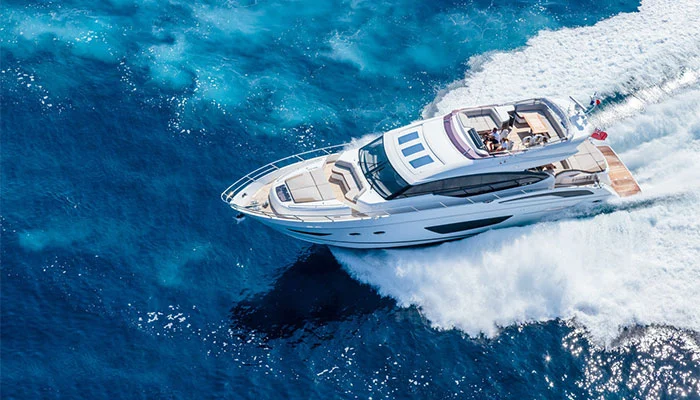
- Luxury yachts
- Offshore platforms
- Rescue and patrol boats
Each application presents unique challenges, which is why manufacturers like Wenling Boerde Machinery Co., Ltd. offer customizable solutions to meet diverse requirements.
Why Manufacturing Quality Matters
Poor manufacturing quality can compromise safety and lead to premature failures. Precision machining, proper surface treatment, and rigorous testing are essential for marine components.
Wenling Boerde Machinery Co., Ltd. emphasizes strict quality control throughout production, ensuring Marine Assist Handles deliver consistent performance even under extreme conditions.
Frequently Asked Questions
What load capacity should a Marine Assist Handle support?
A high-quality Marine Assist Handle should support dynamic loads well above standard body weight to account for sudden movement and wave impact.
Are Marine Assist Handles suitable for saltwater environments?
Yes, when made from marine-grade materials such as stainless steel 316 or treated aluminum.
Can Marine Assist Handles be customized?
Many manufacturers, including Wenling Boerde Machinery Co., Ltd., offer customization in size, finish, and mounting style.
How often should Marine Assist Handles be inspected?
Regular inspections are recommended as part of routine vessel maintenance, especially in high-use areas.
Conclusion and Next Steps
Marine Assist Handles are not minor accessories—they are essential safety components that directly impact onboard mobility, confidence, and injury prevention. Choosing the right design, material, and manufacturer ensures long-term reliability and peace of mind.
If you are looking for dependable, well-engineered Marine Assist Handles tailored to your marine application, Wenling Boerde Machinery Co., Ltd. is ready to support your needs with professional solutions and consistent quality.
For detailed specifications, customization options, or project consultation, contact us today and let our team help you enhance safety and performance on your vessel.
Related News
- How Does a Cocktail Table Top Define the Aesthetics and Functionality of Modern Social Spaces?
- How Does a Fish Rod Holder Enhance Your Fishing Experience?
- How Can a Foldable Table Transform Modern Living Spaces?
- How Does an Underwater Ladder Improve Safety and Accessibility?
- How RV Phone Charging Becomes Reliable on the Road
- Why Are RV Assist Handles the Unsung Heroes of Safe Camping?
Leave me a message