
How Can an Underwater Ladder Transform Marine Access and Safety?
Accessing water environments safely and efficiently is a persistent challenge for marine operators, recreational facilities, shipbuilders, and offshore engineers. An Underwater Ladder plays a critical role in bridging the gap between submerged and above-surface environments, ensuring stable entry and exit even under demanding conditions. From swimming platforms and rescue operations to industrial offshore infrastructure, this equipment addresses issues such as corrosion, instability, and safety hazards.
Manufacturers such as Wenling Boerde Machinery Co., Ltd. have invested heavily in durable material engineering and ergonomic design to ensure that underwater ladders meet real-world demands. Whether users require high load-bearing capacity, slip-resistant surfaces, or corrosion-resistant alloys, selecting the right configuration can dramatically improve operational reliability. This comprehensive guide explains everything decision-makers need to know — from functionality and materials to installation considerations and long-term value.
Article Summary
This guide provides an in-depth exploration of underwater ladder systems, highlighting their applications, structural characteristics, material choices, installation practices, and maintenance strategies. It addresses common buyer challenges such as durability concerns, safety risks, and environmental compatibility. Readers will also discover product comparison tables, practical selection checklists, and frequently asked questions to support informed decision-making. Insights are presented with reference to industrial manufacturing expertise, including contributions from Wenling Boerde Machinery Co., Ltd.
Table of Contents
- 1. Understanding the Role of an Underwater Ladder
- 2. Structural Design and Engineering Features
- 3. Material Options and Their Performance Differences
- 4. Common Applications Across Industries
- 5. Solving Customer Pain Points Through Smart Design
- 6. Installation and Integration Considerations
- 7. Maintenance and Lifecycle Optimization
- 8. Comparing Ladder Types and Specifications
- 9. Future Development Trends
- 10. Frequently Asked Questions
- 11. Final Thoughts
1. Understanding the Role of an Underwater Ladder
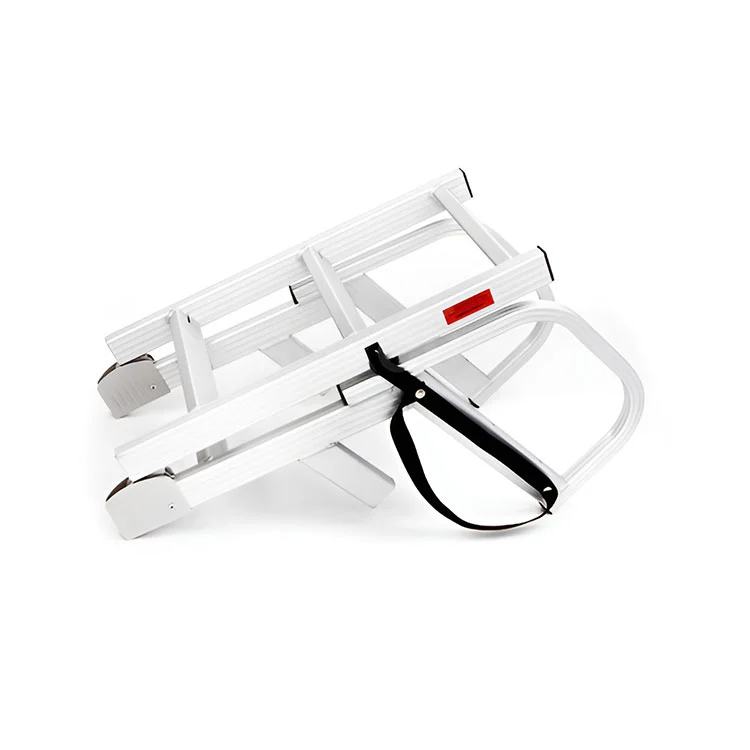
An underwater ladder is a fixed or detachable access structure designed for partial or complete submersion. Its main function is to enable safe movement between aquatic and dry environments. Unlike conventional ladders, these systems must withstand continuous moisture exposure, pressure variation, and biological growth accumulation. This requires advanced engineering beyond standard mechanical construction.
For example, marine facilities often face safety risks when workers or swimmers attempt to climb slippery surfaces. Properly designed underwater ladders minimize these risks through anti-slip textures and stable anchoring. Companies like Wenling Boerde Machinery Co., Ltd. focus on precise fabrication to ensure that structural tolerances remain consistent even after extended submersion.
- Improves safety during entry and exit
- Enhances operational efficiency
- Supports regulatory compliance
- Reduces accident probability
- Extends infrastructure usability
2. Structural Design and Engineering Features
Engineering considerations determine whether a ladder performs effectively in underwater conditions. Designers must balance weight distribution, stability, and user ergonomics. Typical structural elements include reinforced side rails, optimized rung spacing, and curved handholds for comfortable grip.
| Feature | Function | User Benefit |
|---|---|---|
| Anti-slip rungs | Textured or coated surfaces | Reduces slipping hazards |
| Reinforced joints | Precision welding | Higher structural strength |
| Ergonomic angle | Human-centered geometry | Less climbing fatigue |
| Modular sections | Segmented components | Flexible installation |
Wenling Boerde Machinery Co., Ltd. incorporates advanced machining processes to maintain consistent tolerances, ensuring ladders retain shape integrity even under stress or temperature variation.
3. Material Options and Their Performance Differences
Material selection is one of the most influential factors affecting durability and cost. Various environments require distinct solutions depending on salinity, depth, and mechanical stress.
| Material | Advantages | Limitations |
|---|---|---|
| Stainless Steel | Corrosion resistance, strength | Higher initial cost |
| Aluminum Alloy | Lightweight, portable | Moderate durability |
| Composite Polymer | Chemical resistance | Lower load capacity |
| Galvanized Steel | Cost-effective | Maintenance required |
Manufacturers with extensive metallurgical expertise — including Wenling Boerde Machinery Co., Ltd. — typically recommend stainless steel variants for harsh marine conditions because of their long-term resilience.
4. Common Applications Across Industries
Underwater ladders serve multiple sectors, each with unique functional expectations. Understanding application context helps buyers identify essential features before procurement.
- Marinas and recreational docks
- Offshore oil and gas platforms
- Swimming pools and aquatic centers
- Rescue and emergency operations
- Research vessels and marine laboratories
Customization capabilities offered by Wenling Boerde Machinery Co., Ltd. allow solutions tailored for each scenario, improving safety and usability.
5. Solving Customer Pain Points Through Smart Design
Many users encounter recurring challenges when sourcing underwater access equipment. Addressing these issues requires both design innovation and manufacturing reliability.
- Corrosion damage: mitigated by specialized coatings
- Slipping hazards: reduced through textured rung patterns
- Complex installation: simplified via modular frameworks
- Short lifespan: prevented through precision fabrication
- Maintenance downtime: minimized by durable materials
Wenling Boerde Machinery Co., Ltd. focuses on these real-world challenges, integrating durability testing to ensure each ladder meets operational expectations.
6. Installation and Integration Considerations
Proper installation determines whether a ladder performs safely. Engineers must assess structural anchoring points, water depth, and environmental exposure before deployment.
Key recommendations include:
- Confirm compatibility with platform materials
- Ensure secure fastener alignment
- Test load-bearing stability
- Maintain clearance for movement
Collaborating with experienced producers like Wenling Boerde Machinery Co., Ltd. often ensures installation guidelines align with engineering standards.
7. Maintenance and Lifecycle Optimization
Routine inspection significantly extends service life. Maintenance programs should include cleaning, structural assessment, and fastener tightening. Preventive care reduces unexpected failure and preserves user safety.
- Rinse surfaces to remove salt deposits
- Inspect weld integrity
- Check anti-slip coatings
- Replace worn hardware
8. Comparing Ladder Types and Specifications
| Type | Primary Use | Strength Level | Mobility |
|---|---|---|---|
| Fixed Marine Ladder | Industrial docks | High | Low |
| Portable Pool Ladder | Recreation | Medium | High |
| Heavy-Duty Offshore Ladder | Energy sector | Very High | Low |
| Composite Access Ladder | Chemical environments | Medium | Medium |
9. Future Development Trends
Technological innovation continues to reshape underwater access solutions. Advancements include lightweight alloys, enhanced grip coatings, and sensor-based monitoring systems that track structural condition. Industry leaders such as Wenling Boerde Machinery Co., Ltd. are exploring advanced fabrication processes to further increase product reliability.
10. Frequently Asked Questions
What determines the lifespan of an underwater ladder?
Material quality, environmental exposure, and maintenance frequency significantly influence longevity.
How do I choose the correct ladder size?
Measure water depth, platform height, and expected user load requirements before selecting specifications.
Is stainless steel always the best option?
It performs well in marine settings, but lighter alloys or composites may suit specific operational needs.
Can ladders be customized?
Yes. Manufacturers like Wenling Boerde Machinery Co., Ltd. provide tailored dimensions and finishes.
What safety features are essential?
Anti-slip rungs, stable mounting, ergonomic angles, and corrosion-resistant materials are critical.
11. Final Thoughts
An underwater ladder is far more than a simple access tool — it is a safety-critical component that affects efficiency, usability, and long-term infrastructure reliability. By understanding engineering principles, material options, and installation practices, organizations can make well-informed procurement decisions that deliver lasting value.
If you are evaluating dependable solutions, the manufacturing expertise and customization capabilities of Wenling Boerde Machinery Co., Ltd. offer a trusted pathway toward durable and practical results. Explore tailored designs that align with your operational requirements and enhance safety across aquatic environments. For detailed specifications, technical consultation, or project discussions — contact us today.
Related News
- How Does a Cocktail Table Top Define the Aesthetics and Functionality of Modern Social Spaces?
- How Does a Fish Rod Holder Enhance Your Fishing Experience?
- How Can a Foldable Table Transform Modern Living Spaces?
- How Does an Underwater Ladder Improve Safety and Accessibility?
- How RV Phone Charging Becomes Reliable on the Road
- Why Are RV Assist Handles the Unsung Heroes of Safe Camping?
Leave me a message