
Abstract · This article examines the Cocktail Table Top as a central design element in contemporary interiors and outdoor settings. It explores material choices, dimensional considerations, structural integrity, and application-specific requirements, drawing on technical specifications from various industry sources to provide a comprehensive overview.
01. Material Diversity and Performance Characteristics
The selection of materials for a Cocktail Table Top directly influences its durability, visual appeal, and suitability for specific environments. The most common materials include tempered glass, natural wood, stone, and engineered composites.
Tempered glass, often specified at a thickness of 12mm with a pencil edge finish, is a popular choice for contemporary settings due to its clarity and ease of maintenance [citation:1]. For marine applications, teak wood with 8-12% moisture content, sealed with UV-resistant varnish, offers resistance to saltwater and fading [citation:3]. Dekton stone tops, such as the White Shell finish, provide an ultra-compact surface with high resistance to staining and scratching, making them suitable for high-use outdoor areas [citation:9].
Tempered for safety; thickness varies from 8-12mm
Acacia, teak, or oak; often with protective finish
Marble, granite, or Dekton; high durability
02. Dimensional Standards and Spatial Compatibility
48"W x 30"D is a common standard for living spaces [citation:1]
52"W x 26"D provides an elongated profile for narrow spaces [citation:7]
34"W x 34"D allows for optimal 360-degree access [citation:5]
Diameter of 600-800mm fits yacht cockpits [citation:3]
The height of a cocktail table top is critical for user comfort. Standard indoor tables typically range from 18 to 19 inches, while outdoor models designed for lounge seating often sit lower, around 11 to 16 inches [citation:4][citation:9]. In marine environments, a lower profile may be preferred to maintain stability during rough seas, with some tables featuring anti-slip rubber bases to minimize movement [citation:3].
03. Structural Integrity and Load-Bearing Capacity
The Cocktail Table Top must be engineered to withstand expected loads without compromising stability. The support structure, whether a single pedestal or a multi-leg base, plays a significant role in distributing weight.
- Glass tops often rest on a wood or metal base; weight is distributed through levelers to ensure even contact [citation:1].
- Stone tops such as marble can have a high weight, with some models reaching 123 lbs, requiring a robust support system [citation:11].
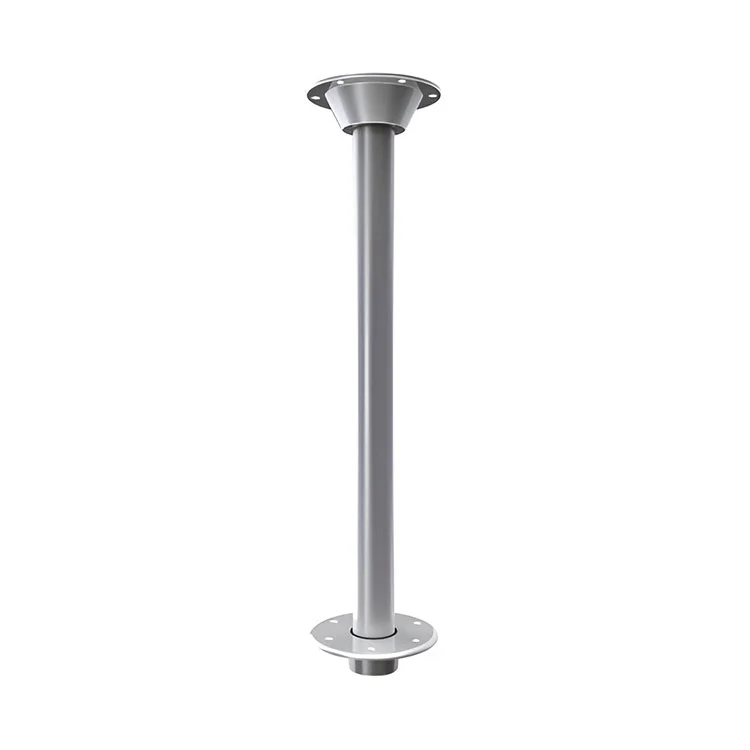
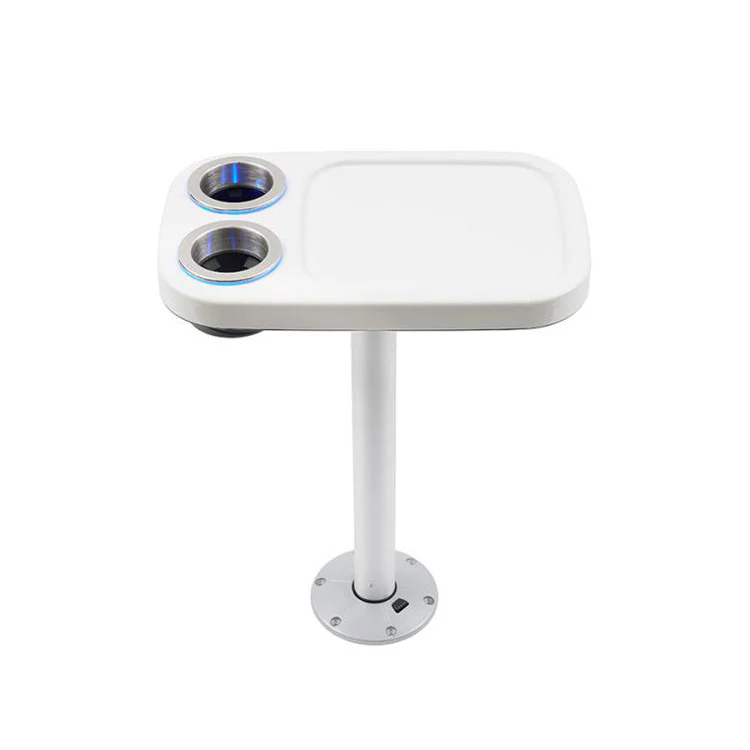
- Marine-grade tables feature a single stainless steel column with an anti-slip rubber base and reinforced bracing to prevent movement on rolling vessels [citation:3].
- Oval tables with a hull-inspired open base are designed with a trestle style to allow appreciation of the structure while maintaining load capacity [citation:7].
Technical Note: For commercial or outdoor environments, materials like Hularo resin and powder-coated aluminum are recommended for their durability and resistance to UV, saltwater, and temperature extremes [citation:8].
04. Application-Specific Design Requirements
Different settings demand specific design features. The following table outlines key considerations for various application contexts.
| Application | Key Requirements | Typical Materials |
|---|---|---|
| Residential Indoor | Aesthetic appeal, smooth surface, easy cleaning | Tempered glass, solid wood, marble |
| Outdoor Patio | Weather resistance, UV resistance, rust-proof frame | HDPE, teak, powder-coated aluminum [citation:3] |
| Marine/Yacht | Saltwater resistance, anti-slip, vibration damping | Teak, 316 stainless steel, composite [citation:3] |
| Commercial Lounge | High durability, scratch resistance, easy maintenance | Dekton stone, high-pressure laminate |
05. Finish Options and Surface Treatment
The Cocktail Table Top finish contributes not only to aesthetics but also to functionality and longevity.
Wood Finishes
- Teak-toned or white painted finishes on acacia wood provide a warm or crisp look for outdoor settings [citation:4].
- A dark oak finish with a tempered glass top allows the open hull base structure to be visible, adding a layer of visual depth [citation:7].
- A satin or gloss finish on resin-embedded wood offers a mirror-like effect that enhances the perception of the material [citation:6].
Glass and Metal Finishes
- Clear pencil edge glass provides a clean, modern aesthetic and is easy to maintain.
- Powder-coated aluminum frames with a graphite finish offer a contemporary look and weather resistance [citation:9].
- Brass or silver glass details can be incorporated into the base or edging for an elevated design [citation:5][citation:6].
06. Care and Longevity Considerations
Proper maintenance is essential for preserving the appearance and structural integrity of the cocktail table top.
- Glass and metal: Clean with a soft cloth and mild soap and water. Avoid abrasive cleaners to prevent scratching the powder-coated finish or glass [citation:8].
- Wood: Regular dusting is recommended. For deeper cleaning, use a mild soap solution and dry with a soft towel. Cover or store during extreme weather to extend product life [citation:12].
- Resin materials: Hularo is resistant to temperature fluctuations and UV, and can be cleaned with nonabrasive soap. It is virtually maintenance-free [citation:8].
- Protection: For high-end tables, protective covers are available for an additional charge to safeguard against the elements [citation:9].
Frequently Asked Questions
Product specifications and material availability may vary. Always refer to the manufacturer's technical data sheet for your specific application.