
How RV Phone Charging Becomes Reliable on the Road
Abstract
RV travel offers freedom, but keeping your phone consistently charged can become a frustrating challenge. Power fluctuations, limited outlets, and varying battery capacity often lead to unreliable charging performance. This article explores practical, field-tested strategies to ensure stable and efficient RV phone charging. From choosing the right hardware to optimizing energy usage, you’ll gain a comprehensive understanding of how to maintain power availability wherever your journey takes you.
Table of Contents
- Outline
- Common RV Phone Charging Challenges
- Effective RV Phone Charging Solutions
- Comparison of Charging Methods
- How to Build an Efficient Charging Setup
- Best Practices for Long-Term Reliability
- FAQ
Outline
- Understanding why RV charging differs from home charging
- Identifying major pain points for travelers
- Exploring multiple charging technologies
- Comparing performance and efficiency
- Providing actionable setup and maintenance advice
Common RV Phone Charging Challenges
Unlike residential environments, RV electrical systems operate under constraints that directly impact charging efficiency. Users frequently encounter the following issues:
- Limited Power Supply: RV batteries have finite capacity, especially when off-grid.
- Voltage Instability: Fluctuations from generators or solar systems can affect charging speed.
- Insufficient Ports: Many RVs lack enough USB outlets for modern device usage.
- Energy Prioritization: Appliances such as refrigerators or air conditioners often take precedence.
- Slow Charging Speeds: Standard USB ports may not support fast-charging protocols.
These constraints create a scenario where users must strategically manage energy rather than rely on constant supply.
Effective RV Phone Charging Solutions
To overcome these challenges, multiple solutions can be integrated depending on travel style and power availability.
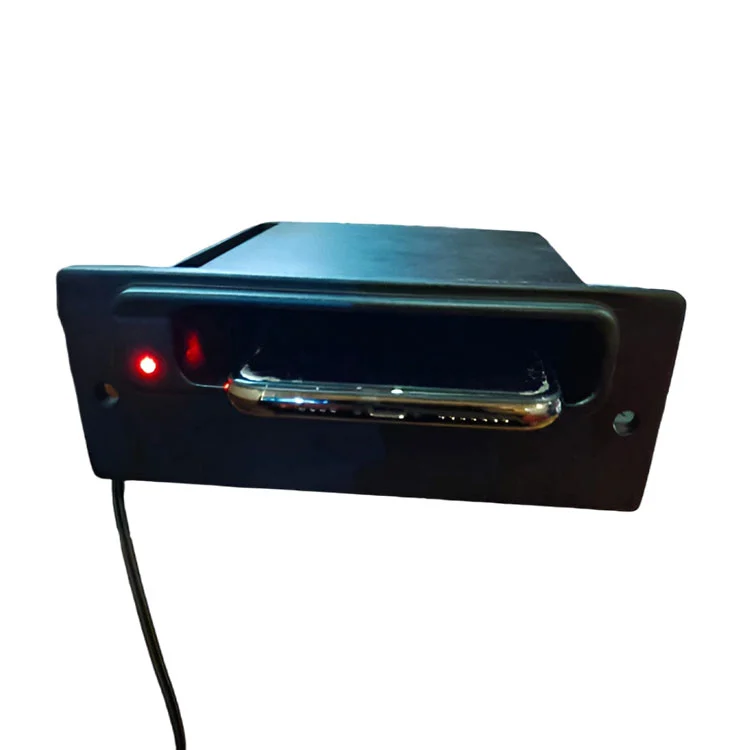
- 12V USB Chargers: Directly connect to the RV’s DC system, offering efficient conversion with minimal energy loss.
- Inverter-Based Charging: Converts DC to AC, allowing use of standard wall chargers, though with some efficiency loss.
- Solar Charging Systems: Ideal for off-grid travelers, providing renewable energy during daylight hours.
- Portable Power Stations: Serve as backup energy storage for consistent charging.
- Fast-Charging Modules: Support protocols like QC or PD for rapid energy transfer.
Companies like BOERDE focus on developing specialized RV charging solutions that optimize power distribution while maintaining safety and efficiency.
Comparison of Charging Methods
| Method | Efficiency | Best Use Case | Limitations |
|---|---|---|---|
| 12V USB Charger | High | Daily charging | Limited power output |
| Inverter + Wall Charger | Medium | Multiple devices | Energy loss during conversion |
| Solar Panels | Variable | Off-grid travel | Weather dependent |
| Power Station | High | Backup energy | Requires recharging |
How to Build an Efficient Charging Setup
A reliable RV phone charging system requires thoughtful integration of components rather than relying on a single solution.
-
Step 1: Assess Power Needs
Calculate daily charging requirements based on device usage. -
Step 2: Install Dedicated USB Ports
Use high-quality 12V USB outlets for direct and efficient charging. -
Step 3: Add Solar Support
Incorporate solar panels to maintain battery levels during extended trips. -
Step 4: Include Backup Storage
A portable power station ensures uninterrupted charging. -
Step 5: Optimize Cable Quality
Use certified cables to prevent power loss and overheating.
Combining these elements ensures redundancy and reliability, reducing dependency on any single energy source.
Best Practices for Long-Term Reliability
- Monitor battery levels regularly to avoid deep discharge.
- Use surge protection to safeguard devices.
- Avoid overloading circuits with multiple high-power devices.
- Keep charging ports clean and dry.
- Upgrade to fast-charging compatible hardware when possible.
Consistent maintenance and smart usage patterns significantly extend the lifespan of both your RV electrical system and your devices.
FAQ
Q1: Why is my phone charging slowly in my RV?
A: This is often due to low-output USB ports or voltage fluctuations. Upgrading to fast-charging modules can resolve this issue.
Q2: Can I rely solely on solar power for charging?
A: Yes, but performance depends on sunlight availability. A backup system is recommended.
Q3: Is using an inverter safe for phone charging?
A: Yes, but it is less efficient than direct DC charging due to conversion losses.
Q4: How many devices can I charge at once?
A: This depends on your RV’s power capacity and the output rating of your charging system.
Q5: What is the most efficient charging method?
A: Direct 12V USB charging is typically the most efficient option in RV environments.
Conclusion
Reliable RV phone charging is not just about convenience—it’s essential for navigation, communication, and safety. By understanding system limitations and implementing a multi-layered charging strategy, you can eliminate power anxiety and focus on enjoying your journey. Whether upgrading your setup or starting from scratch, choosing the right components makes all the difference.
If you are looking for dependable and efficient RV charging solutions, BOERDE offers advanced products designed specifically for mobile environments. Explore professional-grade options tailored to your needs and contact us today to power your next adventure with confidence.
Related News
- How Does a Cocktail Table Top Define the Aesthetics and Functionality of Modern Social Spaces?
- How Does a Fish Rod Holder Enhance Your Fishing Experience?
- How Can a Foldable Table Transform Modern Living Spaces?
- How Does an Underwater Ladder Improve Safety and Accessibility?
- Why Are RV Assist Handles the Unsung Heroes of Safe Camping?
- What Makes Marine Hardware Essential for Your Vessel?
Leave me a message